
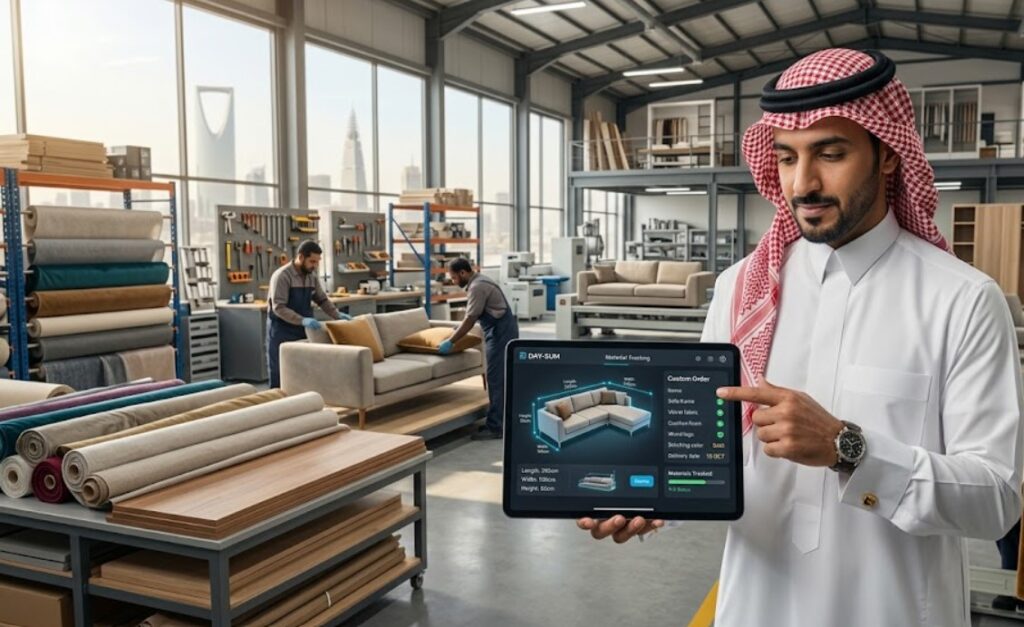
Product engineering

furniture sizing management

The Best Way to Manage Furniture Dimensions and Custom Orders in the System

The furniture industry in the Kingdom of Saudi Arabia is undergoing a profound transformation. Driven by a booming real estate sector, visionary urban development, and a discerning consumer base, the demand for bespoke, perfectly tailored interior solutions has never been higher. Today’s consumers do not just want a sofa; they want an exact L-shaped sectional designed to fit the precise architectural nuances of their living room. They want custom-built wardrobes that utilize every millimeter of available space. For furniture retailers and manufacturers, this shift presents a massive lucrative opportunity—but also a staggering operational challenge. Managing highly variable dimensions, specific fabric choices, and complex structural modifications requires far more than a standard retail point-of-sale system. It demands specialized furniture sizing management. Without a robust digital infrastructure, custom orders easily descend into a chaotic cycle of miswritten dimensions, factory floor misinterpretations, wasted materials, and dissatisfied clients. This comprehensive guide explores the structural methodologies and software architectures necessary to seamlessly manage custom furniture orders. From capturing the initial dimensions in the showroom to executing the final cuts on the factory floor, we will detail how to build a unified system that guarantees absolute precision and operational efficiency. The Operational Challenge of Custom Sizing In traditional retail, a product has a static SKU (Stock Keeping Unit). A standard dining table has fixed dimensions, a fixed Bill of Materials (BOM), and a fixed price. However, in the realm of custom manufacturing, every order is a unique project. When a customer requests a modification—perhaps making a dining table 30 centimeters longer and changing the wood veneer—it creates a cascade of required updates across the entire business: Relying on manual measurement records—such as handwritten notes on a sales receipt or disjointed WhatsApp messages between the showroom and the factory—is a recipe for disaster. A simple transposition of numbers (e.g., writing 120cm instead of 210cm) can result in thousands of Riyals in wasted raw materials and lost production time. To mitigate these risks and scale effectively, businesses must adopt an advanced order management system capable of handling parametric variables. Pillar 1: Parametric Sizing and Digital Measurement Records The foundational element of successful custom order execution is abandoning the concept of static SKUs for customizable items. Instead, modern systems utilize “Parametric Products” or “Product Configurators.” In an advanced furniture ERP system, a custom sofa is set up as a flexible template. The base model exists in the database, but its attributes (Length, Depth, Height, Fabric Type, Foam Density) are defined as variable parameters. Standardizing the Input Process When a sales representative takes an order, they do not just type notes into a free-text box. The system mandates that they input exact dimensions into strict, validated fields. By standardizing how measurement records are captured, the system creates an immutable, mathematically precise digital blueprint for every single customer order. Traditional Order Entry vs. Parametric Sizing Systems Feature Traditional Order Entry (Static/Manual) Parametric Sizing Management (ERP-Driven) Data Entry Free-text notes, vulnerable to human typos and misinterpretation. Dedicated dimensional fields with min/max validation rules. Pricing Calculation Manual estimation by sales rep; prone to undercharging. Dynamic calculation based on exact material usage and volume. Production Handoff Paper work-orders physically handed or emailed to the factory. Instant, automated digital sync to the production dashboard. BOM Generation Requires a factory manager to manually calculate new material needs. System auto-generates a dynamic BOM based on the entered variables. Error Rate High; frequent fit issues and material waste. Extremely low; strict guardrails ensure execution matches the order. Pillar 2: Dynamic Bills of Materials (BOM) and Costing One of the most complex aspects of custom furniture is inventory and cost management. If a client customizes a closet to be 20% taller and 15% wider, the amount of MDF board, edge banding, and possibly the number of hinges required will increase. A unified system automates this translation. When the sales team finalizes the order specs, the ERP’s configurator engine mathematically “explodes” those dimensions into a dynamic Bill of Materials. This ensures that the sales price perfectly reflects the true manufacturing cost, protecting the company’s profit margins on every bespoke piece. Pillar 3: Streamlining the Tailoring Workflow Once the order is finalized and priced, it must move seamlessly to the factory floor. The gap between the showroom and the manufacturing facility is where most errors occur. Bridging this gap requires a digitized tailoring workflow. Through robust furniture factory management modules, the custom order specs are instantly converted into actionable production steps. This workflow guarantees fit accuracy. By removing human calculation from the factory floor and relying entirely on the system’s parametric math, the factory produces exactly what the showroom sold. Pillar 4: Omnichannel Order Management and Client Transparency In the modern retail environment, order management is not just an internal factory tool; it is a critical component of customer service. High-end clients purchasing bespoke interiors expect transparency and regular updates. When utilizing comprehensive furniture store management software, the status of a custom order is fully visible to the retail team. If a client calls to ask about their custom dining table, the sales representative can look up the exact order and see that it has passed the cutting phase and is currently in the finishing department. Furthermore, handling these high-variable, high-value transactions requires a highly stable and secure IT infrastructure. When deciding how to host this unified database of measurements, client data, and factory workflows, businesses must carefully evaluate their architecture. Modern enterprises are increasingly recognizing the benefits in the cloud vs on-premise ERP debate, opting for cloud solutions that allow real-time data synchronization between multiple retail showrooms and a centralized manufacturing facility, regardless of geographic distance. Essential ERP Modules for Custom Furniture Execution System Module Function in the Custom Order Lifecycle Primary Benefit for Customization Product Configurator Captures exact dimensions, material choices, and structural variations in the showroom. Eliminates manual entry errors and strictly enforces manufacturing constraints. Dynamic Quoting Engine Instantly recalculates the retail price based on the variable material and labor costs. Protects profit margins by ensuring custom
Read more
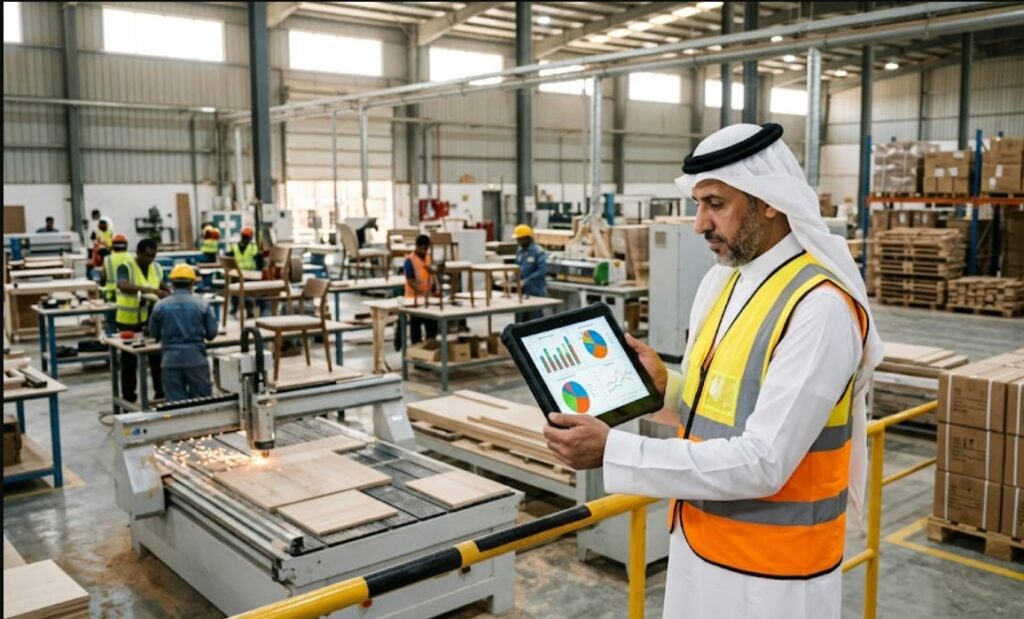
furniture factory management

Furniture Factory Management: How to Organize Production, Orders, and Delivery

The industrial landscape in Saudi Arabia is experiencing an unprecedented boom. Driven by the ambitious infrastructure and residential mega-projects associated with Vision 2030, the demand for high-quality, locally manufactured furniture has never been higher. However, operating a successful manufacturing plant in this high-demand environment requires far more than skilled carpentry and good designs. Masterful furniture factory management is the critical differentiator between a thriving enterprise and one crippled by delays, wasted materials, and dissatisfied clients. Unlike standard consumer goods, furniture manufacturing is highly complex. It involves coordinating bulky raw materials, managing multi-stage assembly lines, handling intricate custom designs, and executing highly sensitive logistical operations. To maintain profitability and scale effectively, factory managers must establish absolute control over every stage of the product lifecycle. In this comprehensive guide, we will explore the essential strategies and digital methodologies required to organize production, streamline order fulfillment, maintain accurate cost controls, and ensure on-time deliveries within your furniture factory. The Complexity of the Manufacturing Workflow To truly master furniture factory management, one must first understand the intricacies of the modern manufacturing workflow. A piece of furniture does not move linearly from point A to point B. It undergoes a series of complex transformations: When these workflow stages are managed using outdated spreadsheets, whiteboards, or disjointed software, the result is chaos. Materials run out mid-production, custom order specifications get lost between the sales team and the factory floor, and delivery dates are continuously pushed back. To overcome these hurdles, forward-thinking manufacturers in Saudi Arabia are embracing comprehensive digital transformation initiatives. By digitizing the factory floor, management gains real-time visibility into every machine, worker, and material batch. Mastering Production Planning and Capacity At the heart of any successful factory is highly accurate production planning. This is the process of aligning your manufacturing capacity (labor and machinery) with the incoming demand from your sales channels. 1. Bill of Materials (BOM) Management In furniture manufacturing, the Bill of Materials is highly dynamic. A single dining chair might have a standard BOM for the frame, but the upholstery fabric and wood finish could vary based on customer preferences. Effective production planning requires a multi-level BOM system that can easily swap out variables without requiring the creation of thousands of individual product codes. 2. Smart Scheduling and Routing Once the BOM is established, the production manager must route the job through the factory. If the CNC router is booked for the next three days cutting cabinet doors, scheduling a new batch of wooden tables for that machine will create an immediate bottleneck. Advanced planning systems automatically calculate machine availability and schedule tasks to ensure a continuous, uninterrupted flow of work. Traditional vs. Digitized Production Planning To highlight the importance of upgrading your operational methodologies, the following table compares traditional factory management with modernized, digitally driven production planning. Operational Area Traditional Management Digitized Factory Management BOM Handling Static Excel sheets; difficult to update for custom client requests. Dynamic, multi-level BOMs that adjust instantly to product variations. Capacity Planning Guesswork based on historical memory; high risk of machine overloading. Algorithmic scheduling based on real-time machine and labor availability. Material Requisition Manual physical inventory counts leading to unexpected stockouts. Automated alerts trigger purchase orders before materials run low. Status Tracking Floor managers physically searching for work orders across the factory. Barcode scanning at each station updates production status in real-time. Streamlining Order Management A factory cannot operate efficiently if it is disconnected from the sales department. Order management is the vital bridge between the customer’s desires and the factory’s output capabilities. Make-to-Stock (MTS) vs. Make-to-Order (MTO) Most furniture factories operate on a hybrid model. Standard items (like basic bed frames or popular office desks) are Made-to-Stock to ensure fast fulfillment for bulk B2B clients or retail showrooms. Conversely, bespoke pieces or high-end residential furnishings are Made-to-Order. Managing these two streams simultaneously requires precision. If an urgent MTO contract from a luxury hotel in Riyadh comes in, your order management system must be agile enough to pause lower-priority MTS runs, reallocate raw materials, and prioritize the custom order without causing a complete breakdown of your standard delivery commitments. Connecting Sales to the Floor When a sales representative closes a deal, the specifications (fabric type, dimensions, finish) must translate flawlessly into a production order. Manual data entry at this stage is a massive liability; if a “dark oak” finish is mistyped as “light oak,” the factory will waste time and materials producing an unsellable item. By integrating robust ERP solutions into your workflow, the sales order automatically generates the production order, pulling the correct BOM and instantly reserving the necessary raw materials in the warehouse. Optimizing the Delivery Schedule and Logistics Manufacturing the furniture perfectly is only half the battle; delivering it to the client safely and on time is equally critical. The delivery schedule for bulky, fragile items requires meticulous logistical planning. Route Optimization and Fleet Management Unlike delivering small parcels, delivering a sectional sofa or a massive conference table requires specialized vehicles, two-man delivery teams, and careful route planning. Dispatchers must consider factors such as traffic in major cities like Jeddah or Dammam, vehicle weight limits, and customer availability windows. Advanced dispatching tools help factory managers group deliveries by geographic zones, optimizing the route to save fuel and maximize the number of deliveries a single truck can make in a day. Real-Time Tracking and Assembly Many B2B furniture deliveries (such as outfitting a new corporate office) also require on-site assembly. Your delivery schedule must account for the time the installation team will spend at the location. Providing clients with real-time tracking updates not only elevates the customer experience but also ensures they are present to receive and approve the installation, preventing costly return trips. Precision in Cost Tracking and Financial Control To maintain healthy profit margins in a highly competitive market, rigorous cost tracking is non-negotiable. Furniture factory managers must have granular visibility into both direct and indirect costs. Managing Direct Costs: Yield and Waste Wood, leather, premium fabrics, and metal components

Read more
top
Business Challenges

Digital Transformation

Security

Automation

Gaining Efficiency